Oil & Gas OT Security
Hillstrong runs OT security on oil and gas SCADA and DCS across remote sites. Resilion tracks the program. Book a 30-minute consultation.
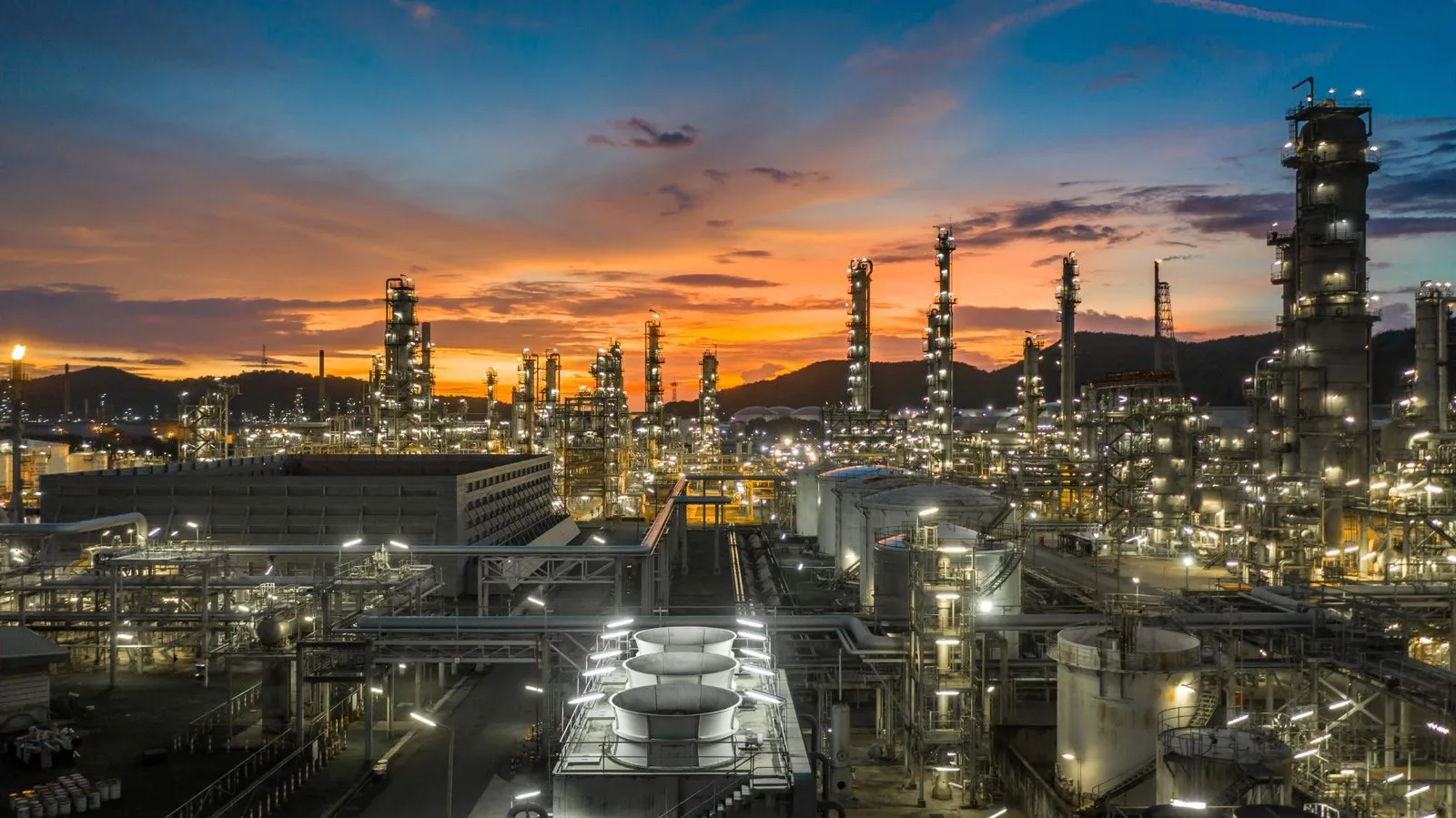

Oil & gas spans upstream, midstream, and downstream, with SCADA and DCS controlling high-hazard processes across sites that are remote and lightly staffed. Safety consequence is severe, and remote operations add network paths an attacker can use. TSA Security Directive Pipeline-2021-02 binds designated pipeline operators, and API Standard 1164 sets the pipeline SCADA security practice.
Hillstrong ranks oil and gas OT work by safety consequence. We baseline SCADA and DCS across dispersed sites, segment control networks, and protect safety-instrumented systems without compromising their function. We model loss-of-control scenarios so remediation money goes where consequence is highest.
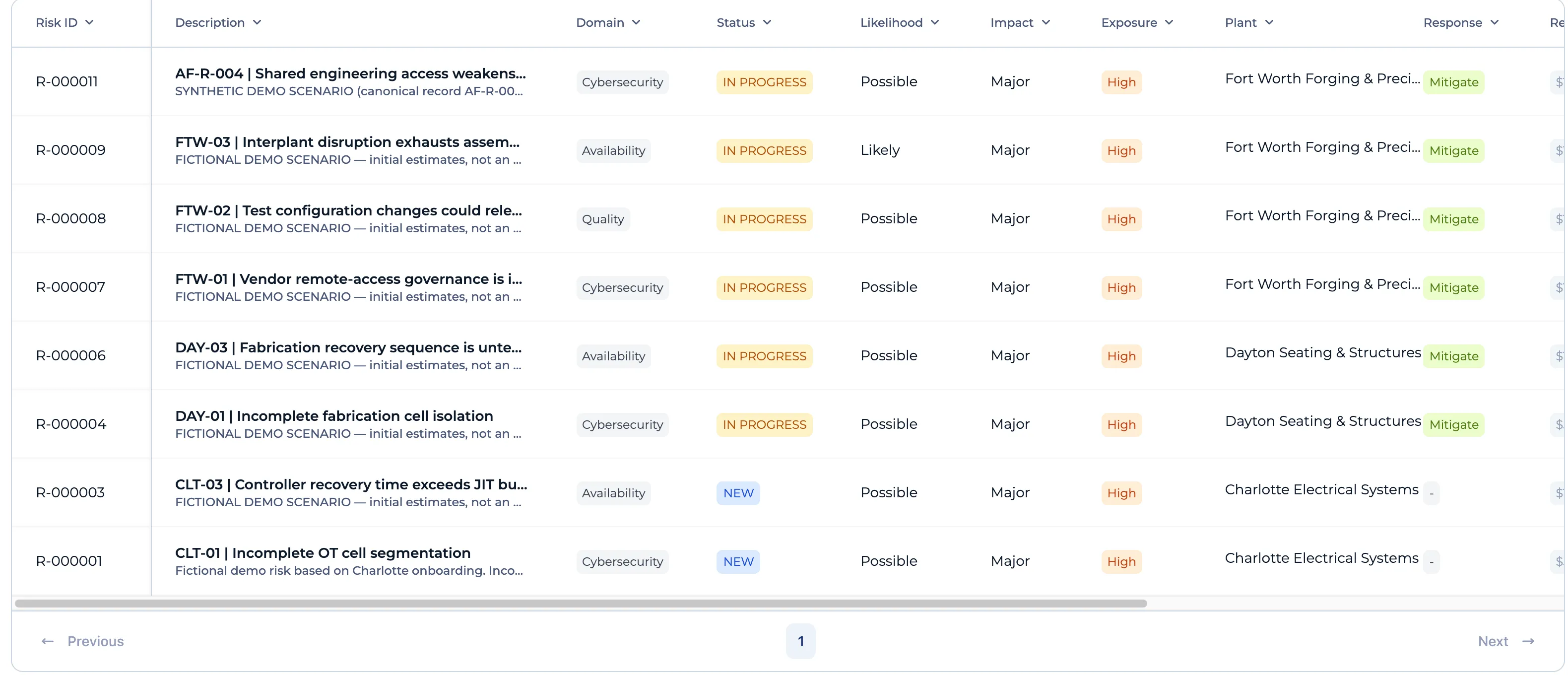
Our analysts watch the boundary at dispersed sites with passive tools and keep vendor remote access under control. Resilion tracks the program across facilities and pipelines from documents and records, and it never connects to SCADA or DCS.
See the plant detailed OT risk assessment for loss-of-control scenarios, or OT incident response planning and simulation. Then book a consultation.
FAQ
Questions this sector asks
- What makes OT security in oil & gas different?
- Sites are remote and lightly staffed, and SCADA and DCS control high-hazard processes from upstream to downstream. Hillstrong puts segmentation and safety-system protection first.
- How do you handle safety-instrumented systems?
- We treat SIS integrity as a hard constraint. Hillstrong assesses and protects these systems without changes that could compromise the safety function, and models loss-of-control in the detailed risk assessment.
- How do we start?
- Book a 30-minute consultation. Bring the last assessment and the facilities in the first wave.
Talk to the people who do the work
Book a 30-minute consultation with a senior OT security practitioner, or see Resilion run on demo data.